Tariffs and Pallets
How Tariffs Have Reshaped the Wood Pallet Market in Atlanta: Prices and Availability
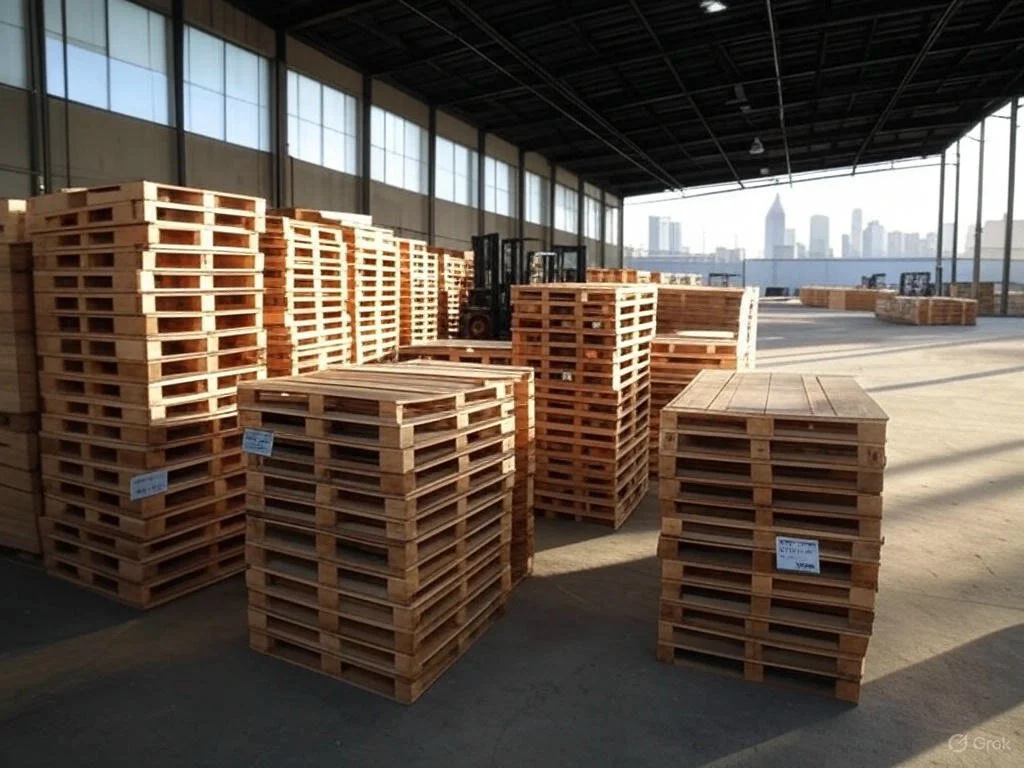
In the dynamic logistics hub of Atlanta, wood pallets are the backbone of supply chains, supporting industries from food and beverage to automotive and retail. However, recent tariffs on imported lumber have sent ripples through the market, driving up costs and reshaping the availability of both new and recycled pallets. As of 2025, these changes are keenly felt in Atlanta, where businesses are navigating higher prices and exploring cost-effective alternatives. This article examines the impact of tariffs on wood pallet prices and the availability of recycled pallets in Atlanta, offering insights for businesses adapting to this evolving landscape.
Understanding Tariffs on Lumber
Tariffs are taxes levied on imported goods, designed to protect domestic industries or address trade imbalances. In the context of the wood pallet industry, tariffs on lumber imports from Canada and China have been particularly significant. The United States has imposed tariffs on Canadian softwood lumber, citing subsidies that allegedly give Canadian producers an unfair advantage. These tariffs, which have fluctuated over the years, were notably high in 2017 at over 20% but have since been reduced to around 9% to stabilize supply and mitigate price volatility (Reusable Packaging News). Similarly, trade disputes with China, including tariffs imposed in 2018, have affected lumber availability, as China’s construction boom and manufacturing demands have tightened global supply.
These tariffs increase the cost of lumber, a primary raw material for wood pallets. As lumber prices rise, manufacturers face higher production costs, which are often passed on to consumers in the form of more expensive pallets. This dynamic has significant implications for businesses in Atlanta, where pallets are critical for logistics and supply chain operations.
Impact on Wood Pallet Prices
The rise in lumber costs due to tariffs has directly contributed to higher prices for new wood pallets. According to the Producer Price Index (PPI) for wood pallets and pallet containers, the index stood at 184.869 in March 2025, based on December 2003 = 100. This represents a significant increase over time, with a slight uptick from January 2025 (184.374) to March 2025, indicating a continued upward trend in prices. While this data is national, it provides a reliable indicator of trends likely affecting Atlanta, given the city’s integration into national and global supply chains.
The increased cost of lumber is not the only factor driving pallet prices. Other inputs, such as nails, are also affected by tariffs and global demand for steel, further adding to production costs (FALM). For businesses in Atlanta, these rising costs translate into higher expenses for new pallets, which can strain budgets in industries reliant on efficient logistics, such as retail, manufacturing, and distribution.
Date
Producer Price Index (Dec 2003=100)
March 2025 - 184.869
February 2025 - 184.374
January 2025 - 184.374
December 2024 - 184.465
November 2024 - 184.444
Source: U.S. Bureau of Labor Statistics
Effect on Recycled Pallets
Recycled pallets, made from refurbished or reclaimed wood, offer a cost-effective and sustainable alternative to new pallets. Unlike new pallets, recycled pallets are not directly subject to tariffs on imported lumber, as they rely on existing wood resources. However, their market is influenced by the broader dynamics of the wood pallet industry. As the cost of new pallets rises due to tariffs, businesses may increasingly turn to recycled pallets to save money, potentially increasing demand.
This shift could strain the supply of high-quality recycled pallets, particularly in a logistics-heavy market like Atlanta. The process of repairing and refurbishing used pallets is labor-intensive, and rising labor costs can also contribute to higher prices for recycled pallets (Repalletize). Additionally, the availability of recycled pallets depends on the volume of used pallets returned to suppliers, which can vary based on market conditions and regional factors.
In Atlanta, where sustainability is a growing priority, recycled pallets are an attractive option for businesses looking to reduce costs and environmental impact. Suppliers like Kamps Pallets and M7 Pallets offer recycled pallets, often graded based on condition (e.g., Grade A or B), providing businesses with flexible options. However, as demand for recycled pallets grows, businesses may need to secure supplies early or explore long-term contracts to ensure availability.
The Atlanta Pallet Market
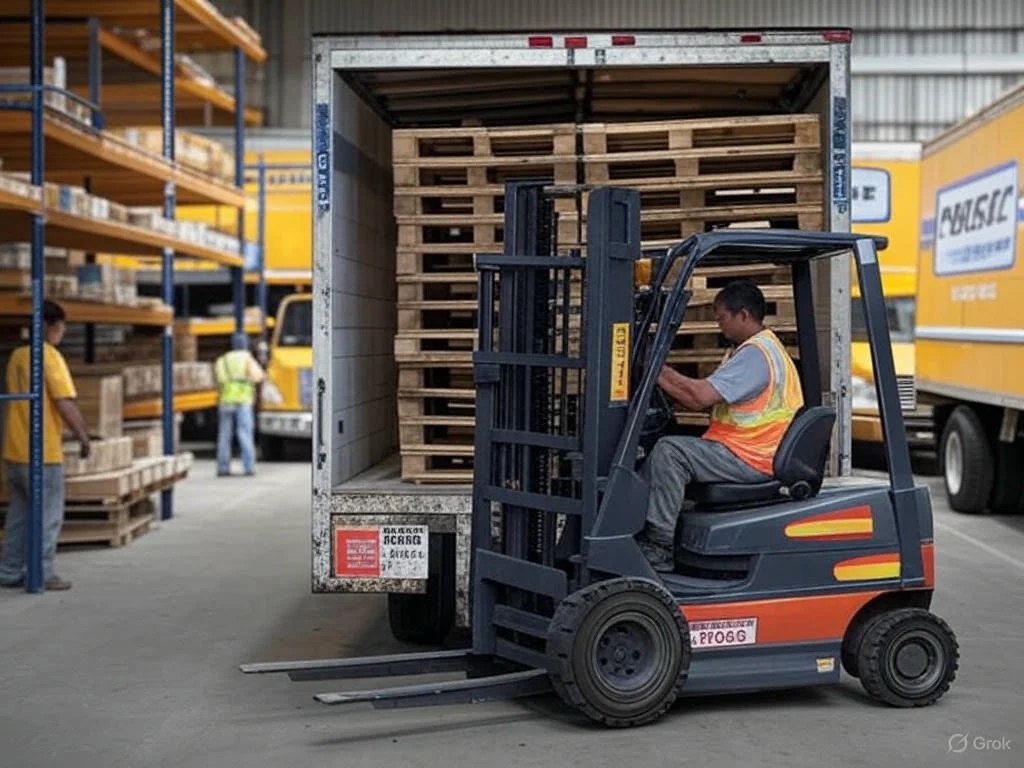
Atlanta’s strategic position as a transportation and logistics hub amplifies the impact of tariff-driven price increases. The city serves as a gateway for goods moving through the southeastern United States, with a robust pallet market supported by suppliers like Atlanta Pallets & Services, Premier Pallets, and Heritage Pallets. These companies cater to diverse industries, including food and beverage, consumer goods, and automotive, all of which rely heavily on pallets for efficient operations.
While specific data on Atlanta’s wood pallet market in 2025 is limited, national trends provide a useful framework. The global wood pallets market is projected to grow at a compound annual growth rate (CAGR) of 4.5% from 2024 to 2030, driven by increasing demand in logistics and transportation (Grand View Research). Atlanta, with its high volume of trade and warehousing, is likely experiencing similar growth, but also faces the challenge of rising costs.
Local suppliers in Atlanta are adapting to these challenges by offering a range of products, including new, recycled, and custom pallets. For example, Premier Pallets provides recycled pallets in various grades, allowing businesses to balance cost and quality. However, as tariffs continue to influence lumber prices, these suppliers may face pressure to adjust pricing or optimize operations to remain competitive.
Broader Market Trends
Beyond tariffs, other factors are shaping the wood pallet market in 2025. The global trade outlook is positive, with the World Trade Organization projecting growth in merchandise trade volume of 2.6% in 2024 and 3.3% in 2025 (Grand View Research). This growth increases demand for pallets, further straining supply and contributing to price pressures. Additionally, sustainability trends are driving interest in recycled and eco-friendly pallets, which could reshape the market in Atlanta and beyond (AAA Pallet & Lumber Co.).
The integration of technology, such as automation in pallet manufacturing, is another trend to watch. Automated processes can reduce labor costs, potentially offsetting some of the price increases driven by tariffs (Fastmarkets). In Atlanta, suppliers adopting these technologies may be better positioned to offer competitive pricing.
Strategies for Businesses
For businesses in Atlanta, navigating the tariff-driven changes in the wood pallet market requires strategic planning. Here are some practical steps:
Explore Recycled Pallets: Partner with suppliers like Heritage Pallets to secure recycled pallets, which can offer cost savings and environmental benefits.
Negotiate Bulk Deals: Purchasing pallets in bulk or entering long-term contracts with suppliers can help lock in prices and ensure supply.
Stay Informed: Monitor trade policies and lumber market trends to anticipate price changes and adjust procurement strategies accordingly.
Conclusion
Tariffs on lumber have significantly reshaped the wood pallet market in Atlanta, driving up prices for new pallets and influencing the availability of recycled ones. As of March 2025, the PPI for wood pallets indicates a continued upward trend, reflecting the broader impact of tariffs and other market pressures. In Atlanta, businesses are feeling these effects acutely, given the city’s role as a logistics hub.
Recycled pallets offer a viable alternative, but their availability may be constrained as demand grows in response to higher new pallet prices. Local suppliers are adapting by offering diverse options, but businesses must act proactively to secure supplies and manage costs. By staying informed and exploring strategic options, Atlanta businesses can navigate the challenges of the tariff-driven pallet market and maintain efficient operations in 2025.