Fumigated Pallets
Fumigated Pallet: Exploring Safer Alternatives for Global Shipping
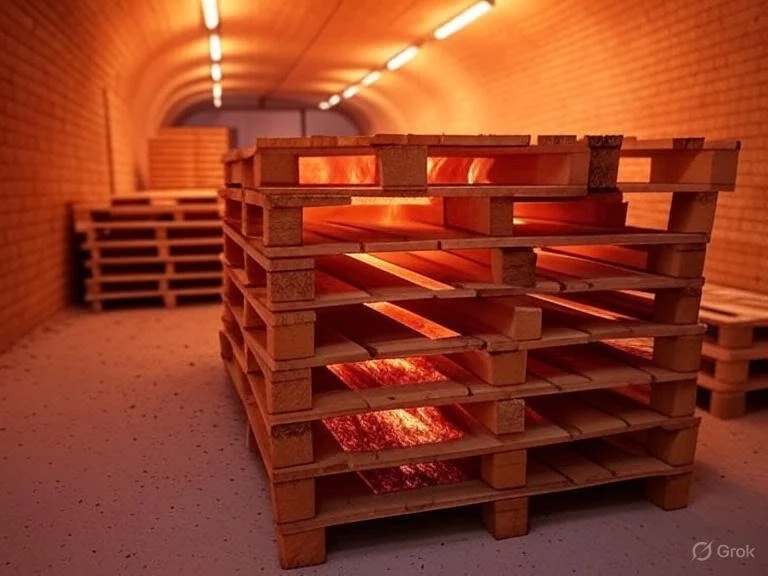
Introduction
In the fast-paced world of logistics and international trade, wooden pallets are indispensable for moving goods efficiently. However, when shipping across borders, treatments are mandatory to prevent pest invasions. A fumigated pallet uses chemicals like methyl bromide to meet these requirements, but concerns about safety and the environment are prompting a shift to better methods. At Heritage Pallets, we exclusively use heat treating, avoiding fumigation chemicals to provide safer, more sustainable options.
This article examines why we choose heat treatment, highlighting the benefits of heat treated pallets and their advantages over fumigated ones. Drawing from our over 20 years of experience in the Southeastern US pallet industry, Heritage Pallets focuses on quality, sustainability, and customer needs. Whether you're a business owner or logistics manager, this guide will help you make informed decisions for your shipping requirements.
What is a Fumigated Pallet?
A fumigated pallet is a wooden pallet treated with gaseous chemicals, primarily methyl bromide, to eradicate pests such as insects, fungi, and nematodes. The process encloses pallets in a sealed chamber where the fumigant is introduced, allowing it to permeate the wood and eliminate threats.
This treatment adheres to ISPM 15 guidelines from the International Plant Protection Convention (IPPC), designed to halt pest spread in global commerce. Fumigated pallets are marked with an "MB" stamp for verification. While effective, the chemical dependency has led many to seek wooden pallet fumigation alternatives that align with eco-friendly practices.
The Environmental and Health Risks of Fumigated Pallets
Fumigation with methyl bromide carries substantial environmental and health drawbacks. As an ozone-depleting substance, it contributes to atmospheric degradation, with global phase-outs under the Montreal Protocol reducing its use significantly since 2005.
Health impacts include effects on the nervous system, respiratory tract, and potential cancer risks.
These issues underscore the need for safer alternatives, reducing both ecological footprints and human health liabilities in supply chains.
Understanding Heat Treatment as an Alternative
Heat treatment elevates the core temperature of wooden pallets to at least 56°C for 30 minutes, effectively killing pests without chemicals.
As a wooden pallet fumigation alternative, it eliminates residues, making it suitable for pharmaceuticals, food, and other sensitive goods. Additionally, the process lowers moisture content, enhancing resistance to mold and decay.
Heat Treated Pallets vs Fumigated Pallets: Key Differences
Comparing heat treated pallets vs fumigated pallets reveals clear advantages for heat treatment:
- Safety Profile: No toxic residues reduce health risks for handlers and consumers.
3 - Environmental Benefits: Avoids ozone-depleting emissions, with lower carbon footprints than fumigation.
0 - Durability: Reduced moisture content makes pallets more resistant to rot, unlike fumigation which may weaken fibers.
1 - Cost Savings: Long-term efficiency without recurring chemical costs or specialized equipment.
4 - Compliance Ease: Meets global standards amid increasing restrictions on methyl bromide.
13
These benefits of heat treated pallets position them as the preferred choice for forward-thinking operations.
Why Heritage Pallets Relies on Heat Treating
At Heritage Pallets, our decision to forgo fumigation chemicals stems from a dedication to safety, sustainability, and superior quality. With more than two decades in the industry, we've witnessed the limitations of chemical treatments and embraced heat treating for its reliability.
"Heat treatment not only complies with regulations but also supports our environmental goals by eliminating chemical use," notes our Operations Manager, with 15 years at Heritage Pallets. We process thousands of pallets yearly in advanced kilns, ensuring consistency and durability.
This approach integrates with our recycling initiatives, where over 60% of pallets are repurposed. Discover more on our heat treatment services page. Also, visit our pallet recycling program and about us page for insights into our practices.
ISPM 15 Compliant Pallets: Achieving Standards Without Chemicals
ISPM 15 requires wood packaging to be debarked and treated to prevent pest transfer.
ISPM 15 compliant pallets via heat ensure seamless international shipping, avoiding quarantines and fines while promoting pest-free trade.

Wooden Pallet Fumigation Alternatives for Sustainability
Beyond heat, wooden pallet fumigation alternatives include material shifts like plastic, but heat remains optimal for wood due to its natural efficacy.
These methods foster a circular economy, cutting waste and supporting green supply chains.
Expert Insights and Industry Statistics
Industry data underscores heat treatment's rise. Heat-treated pallets held 52.33% market share in 2024, growing at 7.78% CAGR.
Experts from the USDA highlight that invasive pests cost billions annually, making effective, chemical-free treatments essential.
Eco-Friendly Pallet Options for Businesses
Eco-friendly pallet options like heat-treated wood minimize impacts while maintaining performance. They appeal to sustainability-focused clients, enhancing brand reputation.
Heritage Pallets customizes these for diverse needs, ensuring efficiency and compliance.

Conclusion
While a fumigated pallet serves basic needs, heat treatment offers superior safety, durability, and eco-benefits. Embrace these for better shipping.
Have questions? Check our FAQ at https://www.heritagepallets.com/faq. Ready to proceed? Get a quote now at https://www.heritagepallets.com/get-a-quote.
References
- US EPA - Methyl Bromide
- EurekAlert - Wooden pallets eco-friendly
- US EPA - Methyl Bromide Fact Sheet
- EurekAlert - Wooden pallets eco-friendly
- UNEP - Phasing out Methyl Bromide
- US EPA - Methyl Bromide
- US EPA - Methyl Bromide Document
- UNEP - Phasing out Methyl Bromide
- US EPA - Methyl Bromide Fact Sheet
- USDA - Invasive Pests Cost
- Mordor Intelligence - Wooden Pallet Market
- Verified Market Reports - Heat Treated Pallet Market
- IPPC - ISPM 15 Regulation
- IPPC - ISPM 15 Regulation
- IPPC - Explanatory Document for ISPM 15